

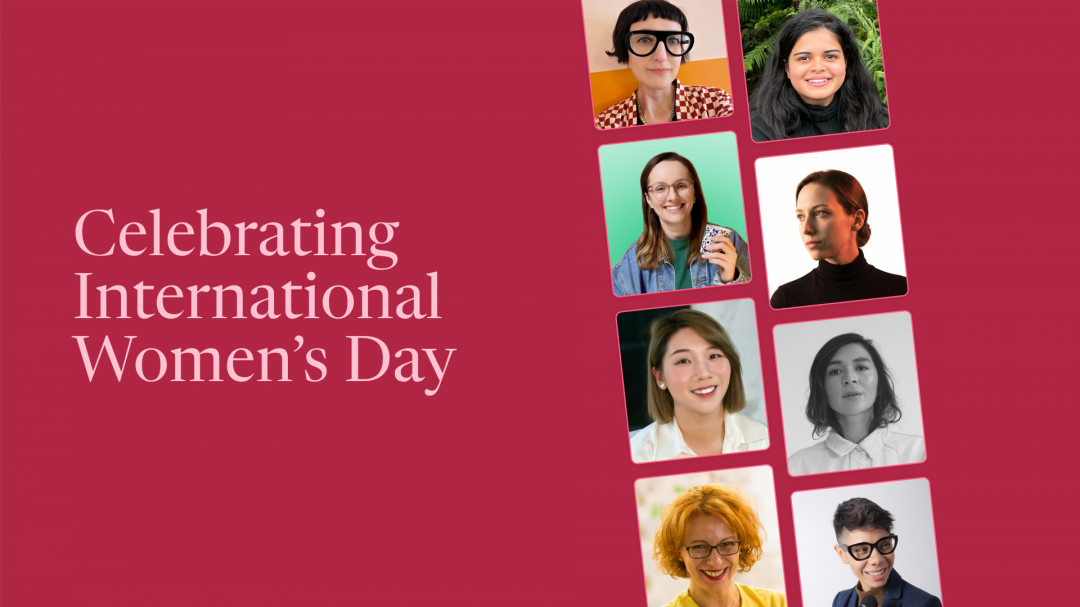
Happy International Women’s Day 💜
Last year, we asked industry-leading women in UX and Product for one piece of advice for women who want to grow in the field. This year, we returned with follow-up questions and asked them to add to that advice with another year of experience. Eight incredible women joined us again, with updated thoughts, sharper perspective, and a few new specifics they wish more people heard.
Swati Rai

What’s one practical thing you personally do to stop comparison from messing with your confidence, especially when everyone’s wins look so loud online?
“Whenever you catch yourself comparing, pause for a moment and look at how far you have come. In the end, it’s always you vs. you and there is no need to chase strangers.”
➡️ Connect with Swati: LinkedIn | Website
Sahar Chung
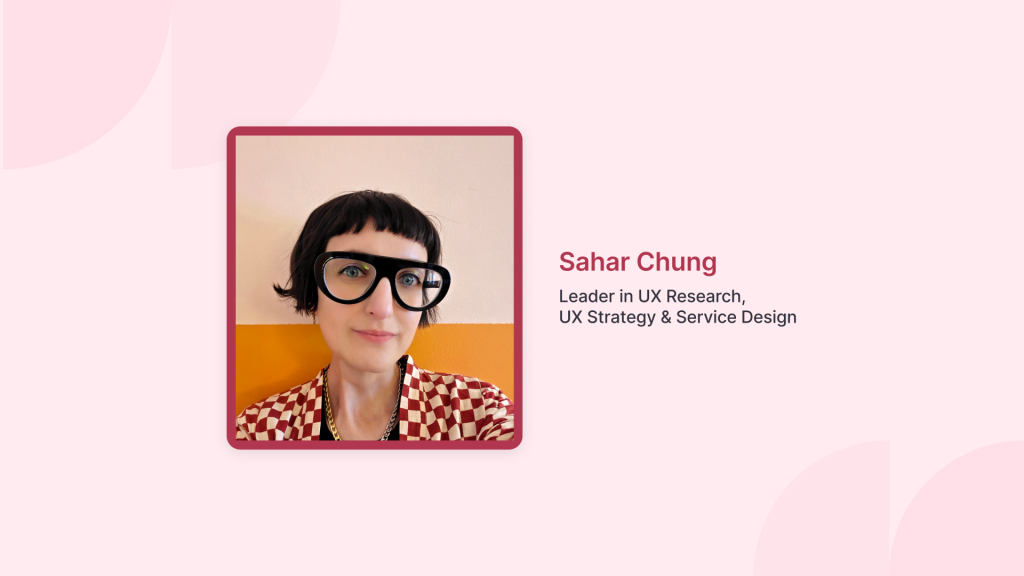
What’s one way you’ve adjusted your approach over the past year to connect UX work to business outcomes without losing the user? And how do you stay “plugged in” without burning out on the noise?
Over the past year, the biggest shift I made was repositioning our UX research team as a product strategy team. This enabled us to be intentional about how research shows up across the entire product lifecycle, not just at the generative and evaluative bookends. A tangible example of how I have approached this with my team is dismantling the research-to-design “handoff” mentality. Instead of a “handoff”, we push research into ideation to make sure that insights are actionable and come with concrete recommendations for next steps. This means facilitating ideation workshops, co-creating alongside designers, and using research strategy as the connective thread between stakeholder teams. That’s where I’ve seen our team’s mindset shift become most powerful: we bring cross-functional teams into shared alignment around business goals by enabling a clear path forward.
➡️ Connect with Sahar: LinkedIn | Portfolio
Janus Tiu

What’s one bold question you’ve asked (or wish more people asked) that actually changes the direction of a meeting? And how do you ask it in a way that’s confident, without it landing the wrong way?
The question that consistently changes the direction of a meeting for me is: “Who are we not designing for?”
Most teams walk into a room with a vague sense of who their user is — and never stop to question it. This question forces a pause. It makes the room reflect on who’s actually being centered, who’s being excluded, and whether that’s a deliberate strategic choice or just an unexamined assumption.
What I love about it is that it works on multiple levels at once. It’s about inclusion, but it’s equally about product focus and tradeoffs. Sometimes the answer reveals we’ve been designing for the loudest user, not the right one.
➡️ Connect with Janus: LinkedIn | Website | Instagram | Threads
Lilibeth Bustos Linares
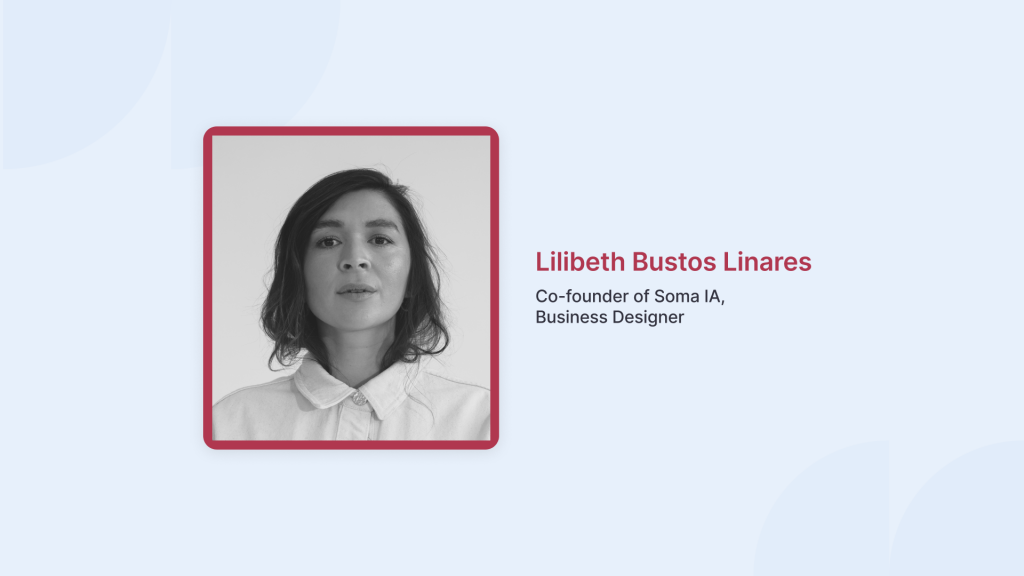
If you had to turn your advice into one “2026 rule” now, what would it be? And what’s one thing you do to stay creatively sharp while AI is speeding up a lot of the basics?
My rule for 2026 is simple: just do it. I’m building Soma, a sustainability company using AI to capture carbon footprints. Yes, there’s fear, but the worst that can happen is nothing happens. And so far, doing it anyway has taught me more about building a business than anything else could have. Starting from zero is hard, but you can always begin from where you are. When your product evolves, that’s not failure. That’s proof you’re growing. My mantra keeps me grounded: I’m in the right place, with the right people, doing exactly what I’m supposed to do.
On staying creative as AI speeds things up:
AI has made me more creative, not less. Especially when building products. Before, turning an idea into something real took months and serious money. Most ideas never got tested because the cost of trying was too high. Now AI collapses that gap. You can explore, prototype, and experiment in ways that were simply impossible before, and do it fast. This is a time to play. A time to try things that once felt out of reach. The barrier between imagination and execution has never been lower, and that’s genuinely exciting.
➡️ Connect with Lilibeth: LinkedIn | Instagram | Website
Aneta Kmiecik – UX Designer & Educator
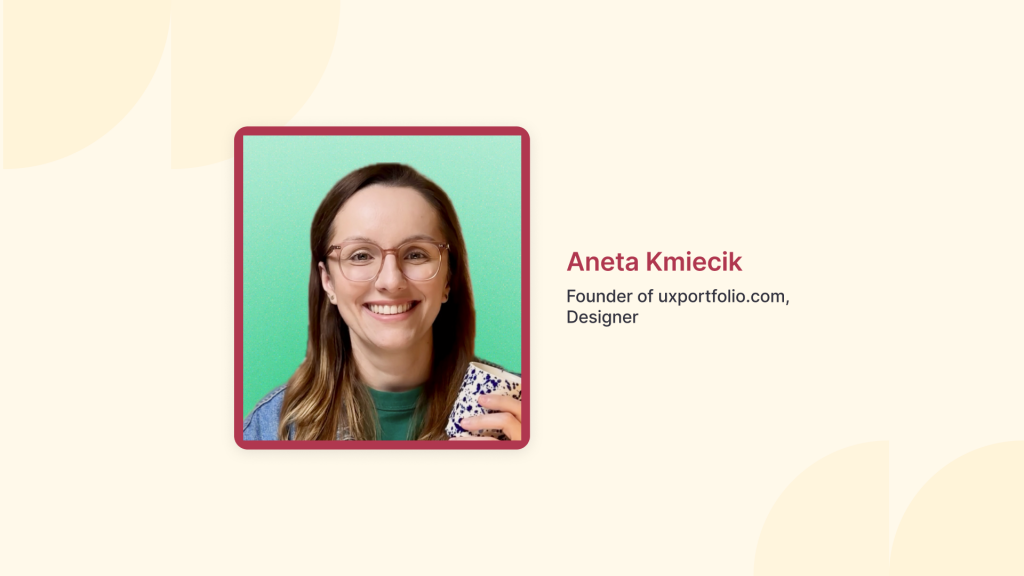
If someone starts a brag document today, what are 2–3 things they should write down this week? And what’s one small portfolio habit you swear by that saves future-you time?
A brag document is just a running list of your wins, decisions and lessons. If you start today, write down 3 things: a design decision you made and why, a moment where feedback changed your direction, and the messy constraint you’re currently working with. These are the details that make portfolio case studies feel real, and they’re the first things you forget. To keep it going, drop a few screenshots and one sentence about the outcome after every milestone. It takes a minute now but saves you hours when you’re actually building your portfolio.
➡️ Connect with Aneta: UX Portfolio Course | LinkedIn | Instagram
🌟 Don’t miss out on Aneta’s free career tracker notion template
Dilmin Doğan
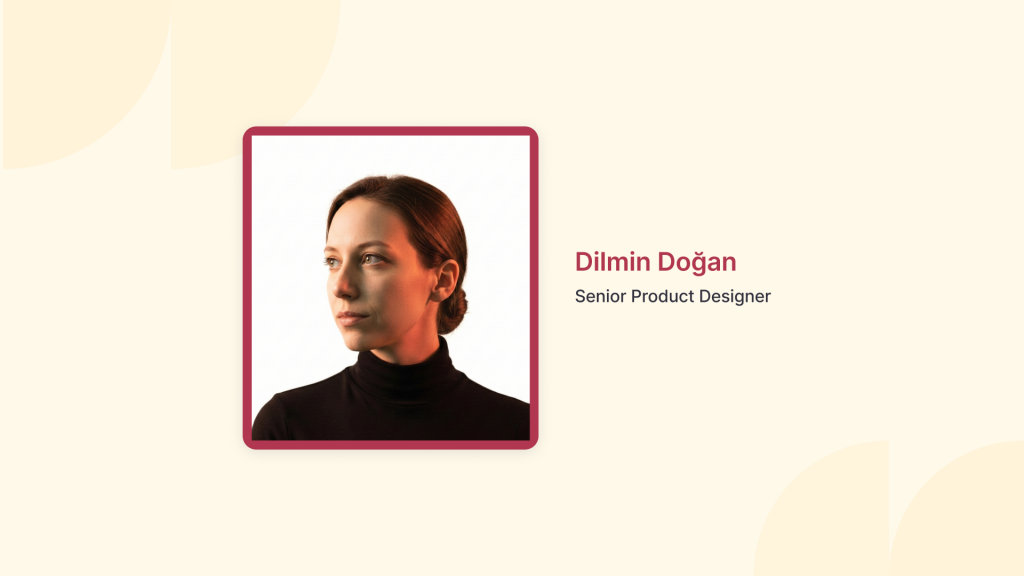
What’s one sentence women can use to advocate for what they deserve without feeling awkward about it? And what’s one moment where trusting your instinct really paid off (or where you wish you trusted it sooner)?
One sentence women can use to advocate without feeling awkward:
“Could we revisit my compensation to better reflect the results I’ve been driving and the scope I own?”
A moment where trusting my instinct paid off (or where I wish I trusted it sooner):
I wish I had trusted my instinct sooner to say, “This isn’t clear enough yet,” instead of pushing forward to keep momentum. I’ve learned that asking for clarity early doesn’t slow things down, it prevents rework and protects quality.
➡️ Connect with Dilmin: LinkedIn | Website
Layshi Curbelo
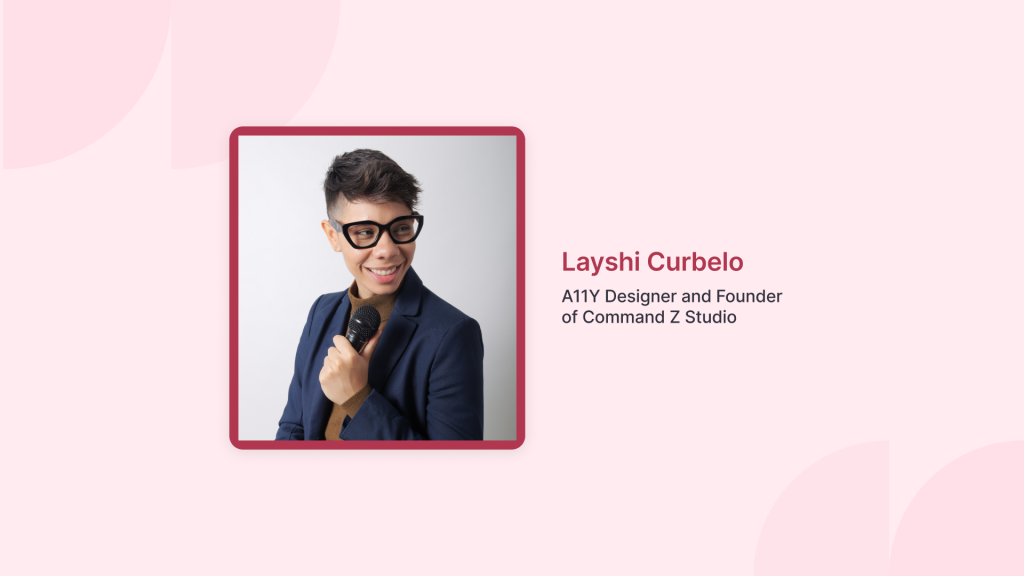
If you look back at your advice from last year, what would you keep as-is, what would you tweak, and what’s one practical way women can speak up when product decisions impact them as users?
If I look back, I would revise the idea that occupying a seat at the table is enough. For years, I have emphasized the importance of representation from historically marginalized communities and how being part of decision making spaces shapes the way products are designed and experienced. That remains true, but in 2026, presence alone does not create change. Action does.
We are operating in an environment where attention is constantly diverted toward aesthetics, trends, and what is easily monetized. Meanwhile, core principles such as accessibility, privacy, and the emotional realities of users are often sidelined. Therefore, it is not enough to demand a seat at the table where decisions are made. We must begin directing projects to rebalance the system. We must lead communities that generate real impact. We must be intentional about where we invest our time, so that other women can run while we clear the path for them.
Leadership is not for everyone, and it does not have to be. But if you feel that responsibility, create the space instead of waiting for permission. The future is not something that simply happens to us. It is shaped by the choices we make today. If we act now, we can design it differently.
A practical way women can raise their voices is by grounding their message in the problem. Communicate the tangible negative impact. Instead of long, abstract arguments, show the consequences. When the evidence is clear, it becomes much harder to ignore.
➡️ Connect with Layshi: LinkedIn | Website
Eleni Lialiamou
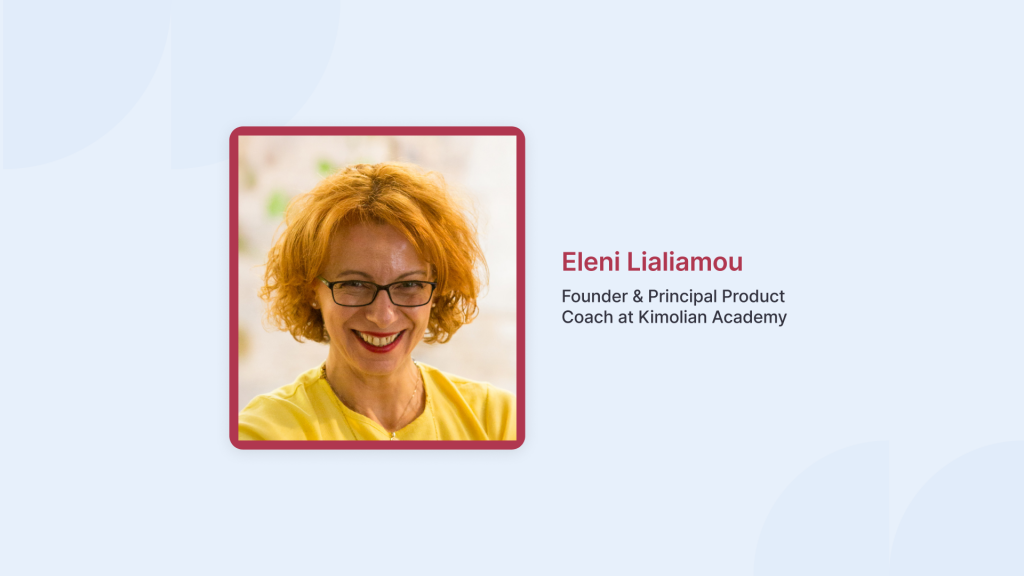
What’s one AI or emerging-tool use case you think genuinely helps UX/Product people do better work right now (not hype)? And what’s one thing you’d tell women to build this year without waiting for permission?
Lovable has been a tool I’ve been using, teaching, and coaching early‑stage founders and solopreneurs to use. Within Kimolian Academy—and especially in the work we do with women—it has been absolutely transformative. It has enabled our course participants to move from idea to MVP with clarity, confidence, and intention. The results have been powerful.
➡️ Connect with Eleni: LinkedIn | Kimolian Academy
Once again, happy International Women’s Day 💜 If one of these answers helped you, share it with someone who needs it, and take a moment today to celebrate the women shaping the products, teams, and standards we all benefit from.
Feel free to contact us!
We’d love to know your experience with Useberry and we will be excited to hear your thoughts and ideas.